Elevate Your Space: Infusing Spiritual Serenity with Mandala Designs
In our fast-paced modern world, creating a sanctuary of peace and tranquility within our homes has become more important than ever. The spaces we inhabit directly influence our mental well-being, emotional stability, and spiritual growth. One of the most effective ways to transform your environment into a haven of serenity is through the incorporation of mandala designs. These ancient, sacred geometric patterns have been used for centuries across various cultures and spiritual traditions to promote healing, meditation, and inner peace. At QuincyWalker, we believe that your living space should be a reflection of your inner self, a place where spiritual energy flows freely and naturally.
Mandala designs represent far more than mere decoration. They are powerful tools for spiritual elevation, capable of shifting the energy within a room and creating an atmosphere conducive to mindfulness, reflection, and personal transformation. Whether you're seeking to deepen your meditation practice, create a more harmonious living environment, or simply infuse your space with beauty and meaning, mandala designs offer a versatile and profound solution.
Understanding the Essence of Mandalas
The Historical and Spiritual Significance of Mandalas
The word mandala comes from Sanskrit, meaning circle or disk. However, the significance of mandalas extends far beyond their geometric appearance. These intricate patterns have been central to spiritual and religious practices in Buddhism, Hinduism, and many other traditions for thousands of years. In Tibetan Buddhism, mandalas are created as temporary sand paintings, representing the impermanence of life and the cyclical nature of existence. In Hindu traditions, mandalas serve as visual representations of the universe and the divine, used as focal points for meditation and spiritual practice.
The mandala's circular structure is not arbitrary. The circle itself holds profound spiritual meaning, representing wholeness, unity, and the infinite nature of the cosmos. The concentric patterns within a mandala guide the eye inward, creating a meditative journey toward the center, which often symbolizes the divine or the true self. This inward movement mirrors the spiritual journey of self-discovery and enlightenment that many seekers undertake.
Throughout history, mandalas have been created in various forms: painted on canvas, drawn in sand, carved into stone, and woven into textiles. Each culture and tradition has developed its own unique style and interpretation, yet all share the common purpose of facilitating spiritual connection and inner peace. The universality of mandala symbolism speaks to its power and relevance across different belief systems and worldviews.
The Psychology Behind Mandala Designs
Beyond their spiritual significance, mandalas have a profound psychological impact on the human mind. Research in color psychology and visual perception has shown that the symmetrical, repetitive patterns found in mandalas have a calming effect on the nervous system. When we gaze upon a mandala, our brain naturally seeks to process the patterns, which requires focused attention and presence. This process is remarkably similar to meditation, as it quiets the constant chatter of the mind and brings us into the present moment.
The geometric precision of mandalas appeals to our innate desire for order and harmony. In a world that often feels chaotic and overwhelming, the structured beauty of a mandala provides a sense of stability and control. This visual order can help reduce anxiety and stress, creating a psychological foundation for relaxation and well-being. The repetitive nature of mandala patterns also engages the right hemisphere of the brain, which is associated with creativity, intuition, and emotional processing.
Furthermore, the act of creating or coloring mandalas has been shown to have therapeutic benefits. Many therapists and counselors now incorporate mandala coloring into their practice as a form of art therapy. The focused, meditative quality of this activity helps individuals process emotions, reduce stress, and access deeper levels of self-awareness. Even simply viewing a mandala can trigger similar benefits, making mandala designs an accessible tool for anyone seeking greater peace and balance.
Choosing the Right Mandala Designs for Your Space
Assessing Your Space and Intentions
Before incorporating mandala designs into your home, it's important to assess both your physical space and your spiritual intentions. Different rooms serve different purposes and require different energetic qualities. Your bedroom, for instance, should promote rest and relaxation, while your workspace might benefit from designs that enhance focus and creativity. Your meditation room or spiritual sanctuary should facilitate deep introspection and connection.
Consider the size of your space, the natural lighting, and the existing color palette. A large, open living room can accommodate bold, vibrant mandalas, while a smaller bedroom might benefit from more subtle, calming designs. The colors you choose are equally important. Warm colors like reds, oranges, and yellows tend to energize and stimulate, making them ideal for creative spaces or areas where you want to encourage activity. Cool colors like blues, purples, and greens promote calm and introspection, making them perfect for bedrooms and meditation spaces.
Your personal spiritual intentions should also guide your choices. Are you seeking to deepen your meditation practice? Do you want to create a space for healing and restoration? Are you looking to enhance creativity and inspiration? Different mandala designs and color combinations can support different intentions. Taking time to clarify your goals will help you select designs that truly resonate with your needs and aspirations.
Color Psychology and Mandala Selection
Color plays a crucial role in the energetic impact of mandala designs. Each color carries its own vibrational frequency and psychological associations. Understanding these associations can help you choose mandalas that support your specific intentions.
Red mandalas are associated with passion, energy, and vitality. They stimulate the root chakra and can help ground your energy. These designs are excellent for spaces where you want to encourage action, motivation, and physical vitality. However, use red sparingly in bedrooms, as it can be overstimulating for rest.
Orange mandalas promote creativity, joy, and social connection. They stimulate the sacral chakra and can help unlock creative potential. These designs work well in studios, creative spaces, and areas where you want to encourage playfulness and spontaneity.
Yellow mandalas are associated with intellect, clarity, and optimism. They stimulate the solar plexus chakra and can enhance focus and mental clarity. These designs are ideal for home offices, study areas, and spaces where you want to encourage learning and intellectual growth.
Green mandalas promote healing, balance, and growth. They stimulate the heart chakra and can help create a sense of harmony and renewal. These designs work beautifully in any space, as green is universally calming and restorative. They're particularly effective in bedrooms, living rooms, and healing spaces.
Blue mandalas are associated with communication, truth, and tranquility. They stimulate the throat chakra and can help facilitate honest expression and peaceful communication. These designs are excellent for bedrooms, meditation spaces, and areas where you want to promote calm and clarity.
Purple mandalas are associated with spirituality, intuition, and transformation. They stimulate the third eye and crown chakras and can help deepen spiritual awareness. These designs are ideal for meditation rooms, spiritual sanctuaries, and spaces dedicated to inner work and self-discovery.
Incorporating Mandalas into Different Rooms
Creating a Serene Bedroom Sanctuary
Your bedroom is your personal sanctuary, a space dedicated to rest, renewal, and intimate connection. Incorporating mandala designs here can transform it into a haven of peace and spiritual energy. Consider placing a large mandala tapestry or wall hanging above your bed as a focal point. This creates a visually stunning backdrop while also serving as a meditation focus as you drift off to sleep or upon waking.
For bedrooms, opt for mandalas in cool, calming colors such as soft blues, purples, greens, or silver. These colors promote relaxation and support restful sleep. Avoid overly complex designs with too many intricate details, as these can be visually stimulating. Instead, choose mandalas with flowing, organic patterns that feel soothing to the eye.
You might also consider placing smaller mandala designs on your nightstands, dresser, or windowsills. Mandala-printed bedding, pillows, or throws can add subtle spiritual energy without overwhelming the space. The key is to create an environment that feels peaceful and inviting, where your mind naturally settles into a state of relaxation.
Designing a Meditation and Spiritual Space
If you have a dedicated meditation room or spiritual sanctuary, mandala designs should be central to your design scheme. This is the perfect space to incorporate larger, more intricate mandalas that can serve as powerful meditation focal points. A large mandala painting or tapestry on the wall can become the anchor of your practice space, drawing your attention inward and facilitating deeper states of meditation.
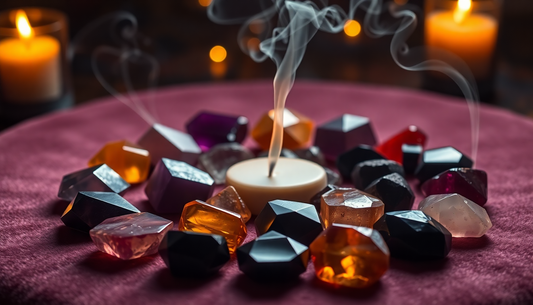
Consider creating a mandala altar or meditation corner. Place a mandala artwork at eye level when you're seated in meditation, allowing your gaze to naturally rest upon it. You might surround this central mandala with candles, crystals, incense, or other spiritual objects that support your practice. The combination of visual, olfactory, and tactile elements creates a multisensory spiritual experience that deepens your connection to the sacred.
The color scheme for a meditation space should reflect your spiritual intentions. If you're seeking deep introspection and spiritual connection, purples, indigos, and silvers work beautifully. If you're focusing on heart-centered practices like loving-kindness meditation, greens and pinks are ideal. The space should feel like a sanctuary, separate from the distractions of daily life, where your consciousness can expand and your spirit can soar.
Energizing Your Workspace with Mandala Art
Your workspace, whether it's a home office or a corner of your living room, should support focus, creativity, and productivity. Mandala designs can help create an environment that enhances these qualities while also providing moments of calm and centering throughout your workday.
Choose mandalas in energizing colors like warm oranges, yellows, or reds to stimulate creativity and motivation. A mandala artwork placed where you can see it during breaks can serve as a reset button for your mind, helping you refocus and approach your work with renewed clarity. Some people find that gazing at a mandala for just a few minutes can dissolve mental blocks and unlock creative solutions.
Consider placing a smaller mandala design on your desk, perhaps as a framed print or a decorative object. This serves as a visual reminder to stay present and centered, even during stressful moments. You might also use mandala designs in your office supplies, such as a mandala-patterned mousepad or desk organizer, to infuse your workspace with spiritual energy in subtle ways.
Transforming Your Living Room into a Harmonious Gathering Space
Your living room is often the heart of your home, a space where family and guests gather. Incorporating mandala designs here creates an environment that promotes harmony, connection, and positive energy. A large mandala tapestry or wall hanging can serve as a stunning focal point that draws the eye and creates conversation.
For living rooms, consider mandalas in balanced colors that promote both calm and connection. Greens, blues, and warm earth tones work beautifully in these spaces. You might incorporate multiple mandala elements throughout the room: a large wall hanging, mandala-patterned throw pillows, a mandala-inspired area rug, or mandala artwork on shelves and side tables.
The key is to create a cohesive design that feels intentional rather than cluttered. Choose mandalas that complement your existing décor and color scheme. The mandala designs should enhance the overall aesthetic while also elevating the spiritual energy of the space. When guests enter a room infused with mandala energy, they often report feeling more relaxed, more present, and more connected to those around them.
Mandala Design Styles and Aesthetic Approaches
Traditional and Authentic Mandala Designs
Traditional mandalas, rooted in Buddhist and Hindu spiritual practices, feature specific geometric patterns and symbolic elements that carry deep spiritual meaning. These designs often include concentric circles, lotus flowers, geometric shapes, and Sanskrit symbols. Authentic traditional mandalas are created according to specific spiritual principles and are often used as meditation tools and spiritual teaching aids.
If you're drawn to traditional mandalas, you're connecting with thousands of years of spiritual wisdom and practice. These designs carry the energy of countless practitioners who have used them for meditation and spiritual development. Incorporating authentic traditional mandalas into your space creates a direct link to these ancient spiritual lineages.
When selecting traditional mandalas, it's helpful to understand the symbolism. The lotus flower, for instance, represents spiritual awakening and enlightenment. The number of petals or layers in a mandala can also carry significance. A mandala with twelve layers might represent the twelve months of the year or the twelve signs of the zodiac, while one with eight layers might represent the eightfold path in Buddhism.
Contemporary and Modern Mandala Interpretations
While traditional mandalas hold deep spiritual significance, contemporary interpretations of mandala designs have emerged that blend ancient wisdom with modern aesthetics. These designs maintain the essential circular, concentric structure of mandalas while incorporating modern artistic elements, color palettes, and themes.
Contemporary mandalas might feature abstract patterns, watercolor effects, geometric minimalism, or nature-inspired elements. These designs appeal to those who want the spiritual benefits of mandalas while preferring a more modern visual aesthetic. Contemporary mandalas can be just as spiritually powerful as traditional ones, as the intention and attention you bring to them is what matters most.
Many artists and designers are creating innovative mandala designs that speak to contemporary spiritual seekers. These might include mandalas inspired by astronomy, nature, sacred geometry, or personal spiritual experiences. The beauty of contemporary mandalas is that they make mandala spirituality accessible to a wider audience while honoring the essence of what makes mandalas powerful.
Minimalist and Maximalist Mandala Approaches
Mandala designs exist on a spectrum from minimalist to maximalist, and your choice should reflect your personal aesthetic and spiritual preferences. Minimalist mandalas feature simple geometric patterns, often in black and white or limited color palettes. These designs have a clean, modern aesthetic and can work beautifully in contemporary spaces. The simplicity of minimalist mandalas can be particularly powerful for meditation, as there are fewer visual elements to distract the mind.
Maximalist mandalas, on the other hand, feature intricate, complex patterns with rich colors and abundant detail. These designs are visually stunning and create a sense of abundance and fullness. Maximalist mandalas work beautifully in spaces where you want to create visual impact and energetic richness. They're particularly effective in meditation spaces, as the complexity of the patterns can facilitate deep, sustained focus.
Your choice between minimalist and maximalist approaches should depend on your personal preferences, your space, and your spiritual intentions. Some people find that the simplicity of minimalist mandalas helps them achieve deeper meditative states, while others find that the complexity of maximalist designs provides richer visual and spiritual nourishment.
Practical Ways to Display Mandala Designs
Wall Hangings and Tapestries
One of the most popular and effective ways to incorporate mandala designs into your space is through wall hangings and tapestries. These large-format pieces create an immediate visual impact and can transform an entire room. Mandala tapestries are available in a wide range of sizes, colors, and styles, making it easy to find one that perfectly suits your space and aesthetic.
When hanging a mandala tapestry, consider placement carefully. A mandala hung above your bed creates a powerful focal point for meditation upon waking and sleeping. A mandala in your meditation room should be positioned at eye level when you're seated in your practice. In living rooms and common areas, consider hanging a mandala where it will be visible to everyone entering the space, creating a welcoming, harmonious atmosphere.
Mandala tapestries are typically made from cotton, polyester, or silk, each offering different aesthetic qualities and durability. Cotton tapestries have a natural, earthy feel and are easy to care for. Silk tapestries have a luxurious appearance and drape beautifully. Consider the lighting in your space when choosing a tapestry, as different fabrics reflect light differently.
Framed Mandala Artwork
Framed mandala artwork offers a more formal, gallery-like approach to displaying mandala designs. This approach works particularly well in bedrooms, offices, and living rooms where you want a polished, intentional aesthetic. Framed mandalas can be arranged individually or in gallery walls, creating visual interest and spiritual energy.
When selecting frames, consider the overall aesthetic of your space. Simple wooden frames work well with traditional mandalas, while sleek metal frames complement contemporary designs. The frame color should either complement or intentionally contrast with the mandala design, depending on your aesthetic preferences.
Framed mandala artwork can be rotated seasonally or as your spiritual intentions shift, allowing you to refresh your space without major renovations. This flexibility makes framed artwork a practical choice for those who like to evolve their décor over time.
Mandala Rugs and Floor Coverings
Mandala rugs and floor coverings bring mandala energy to your space in a unique way. A mandala rug in your meditation room creates a sacred space where you practice, while a mandala rug in your living room adds visual interest and spiritual energy to a gathering space. Mandala rugs are available in various sizes and materials, from traditional wool to modern synthetic blends.
When choosing a mandala rug, consider the traffic patterns in your space and the durability of the material. High-traffic areas benefit from durable, stain-resistant materials, while low-traffic areas like bedrooms can accommodate more delicate options. The color and design of the rug should complement your overall décor while adding spiritual dimension to the space.
Mandala Cushions and Textiles
Mandala-patterned